Methodology, briefly
How the data moves.
Listings are crawled directly from each university's public catalog, normalized into one schema, and refreshed on a short cycle. Nothing is hand-edited; every field traces back to a live source.
- Sources
- Public catalogs
- Editing
- Automated only
- Export
- CSV · XLSX · JSON
Collection
Sync workers read each provider catalog on a rolling schedule.
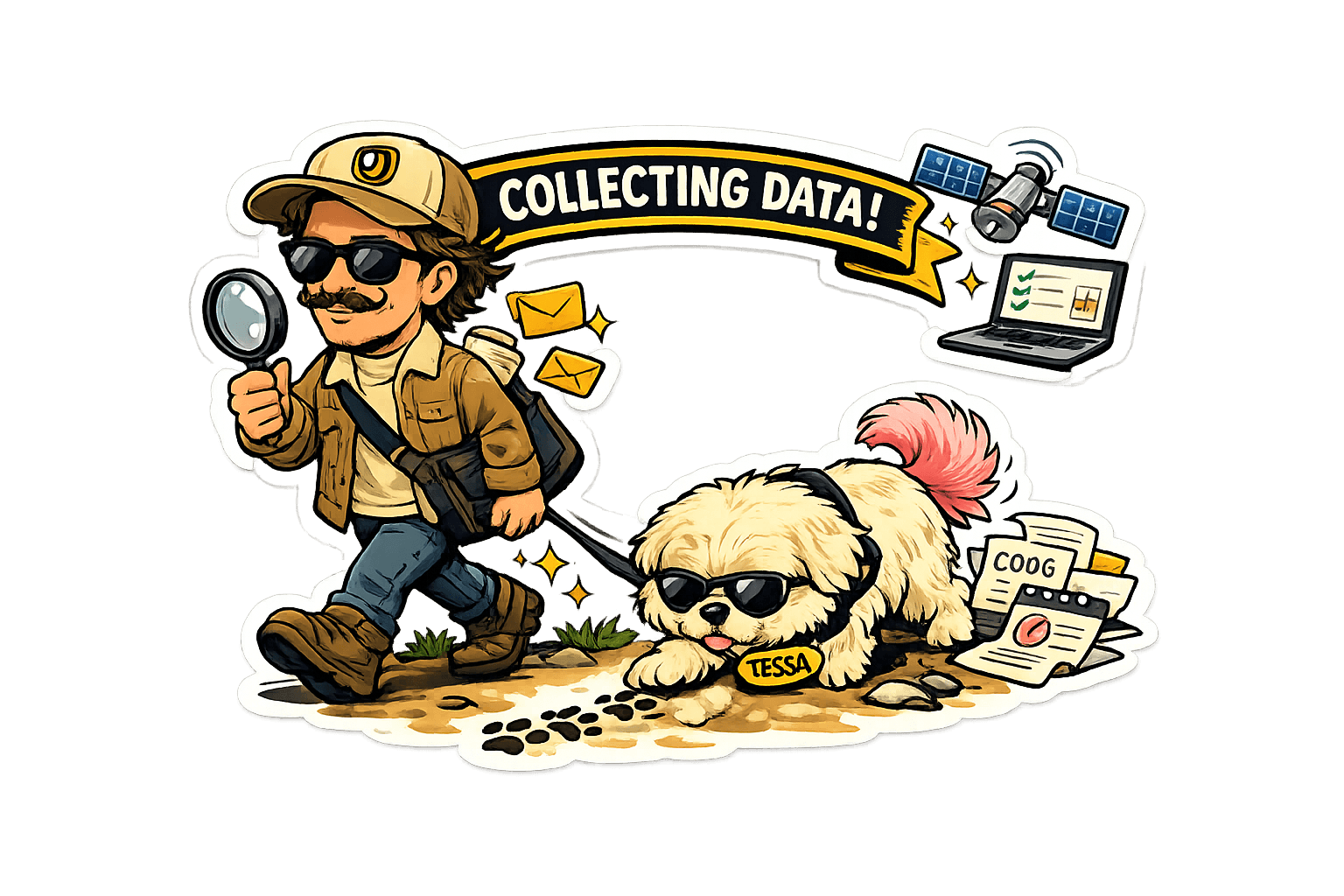
A set of workers fetches each university's public continuing-education catalog roughly every six hours. Pages are parsed into structured records — title, code, subject, format, start date, tuition, and enrollment status.
Only publicly listed information is collected. The register stores no personal data and requires no account to read.
Normalization
Every provider names things differently; the register reconciles them.
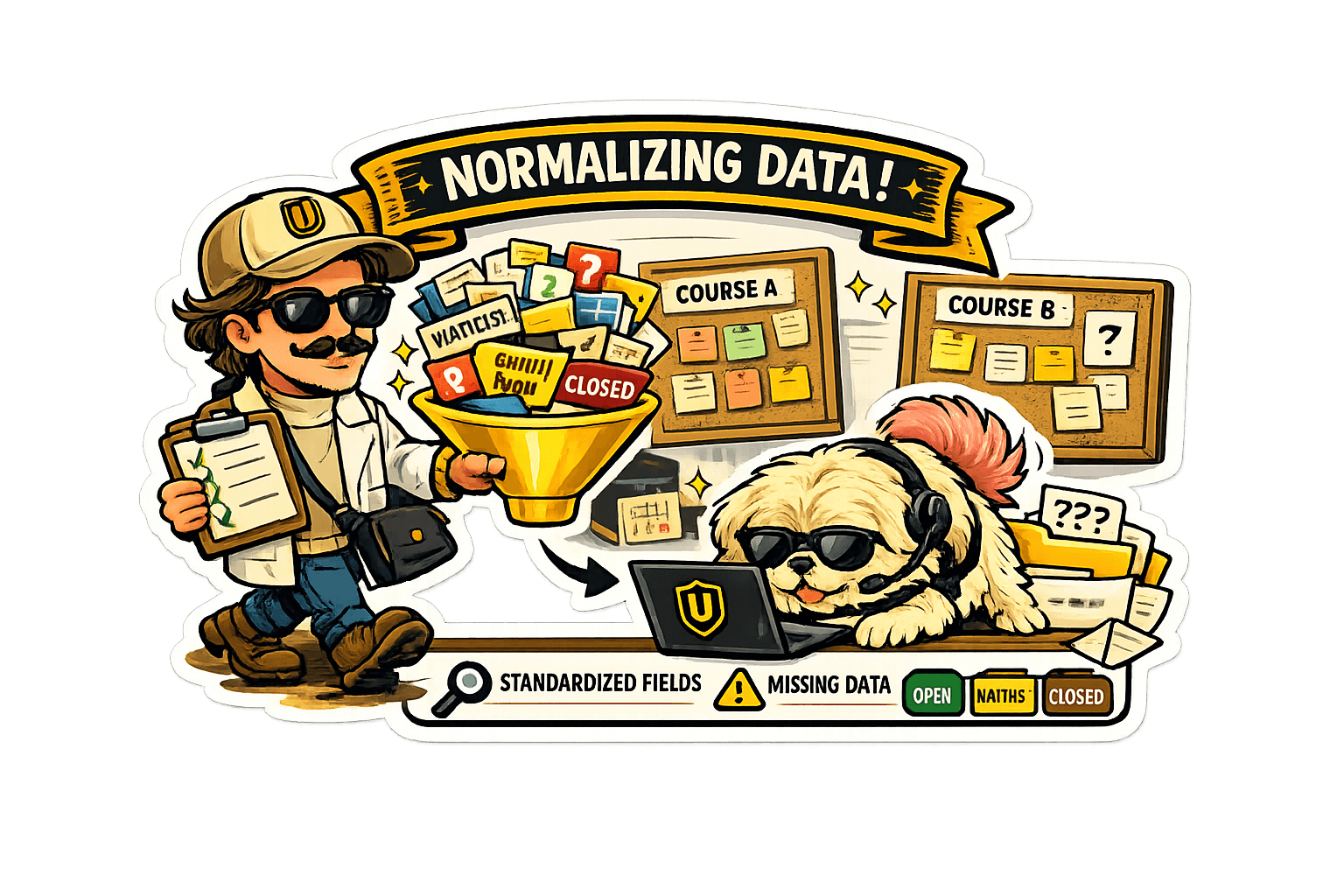
Raw fields are mapped into a single schema so a course from one school can be compared directly with another. Enrollment language — "open", "waitlist", "closed", "registration opens soon" — is reduced to a small set of normalized statuses.
When a provider omits a field (a missing price or start date is common), the record keeps the gap visible rather than guessing a value.
Access
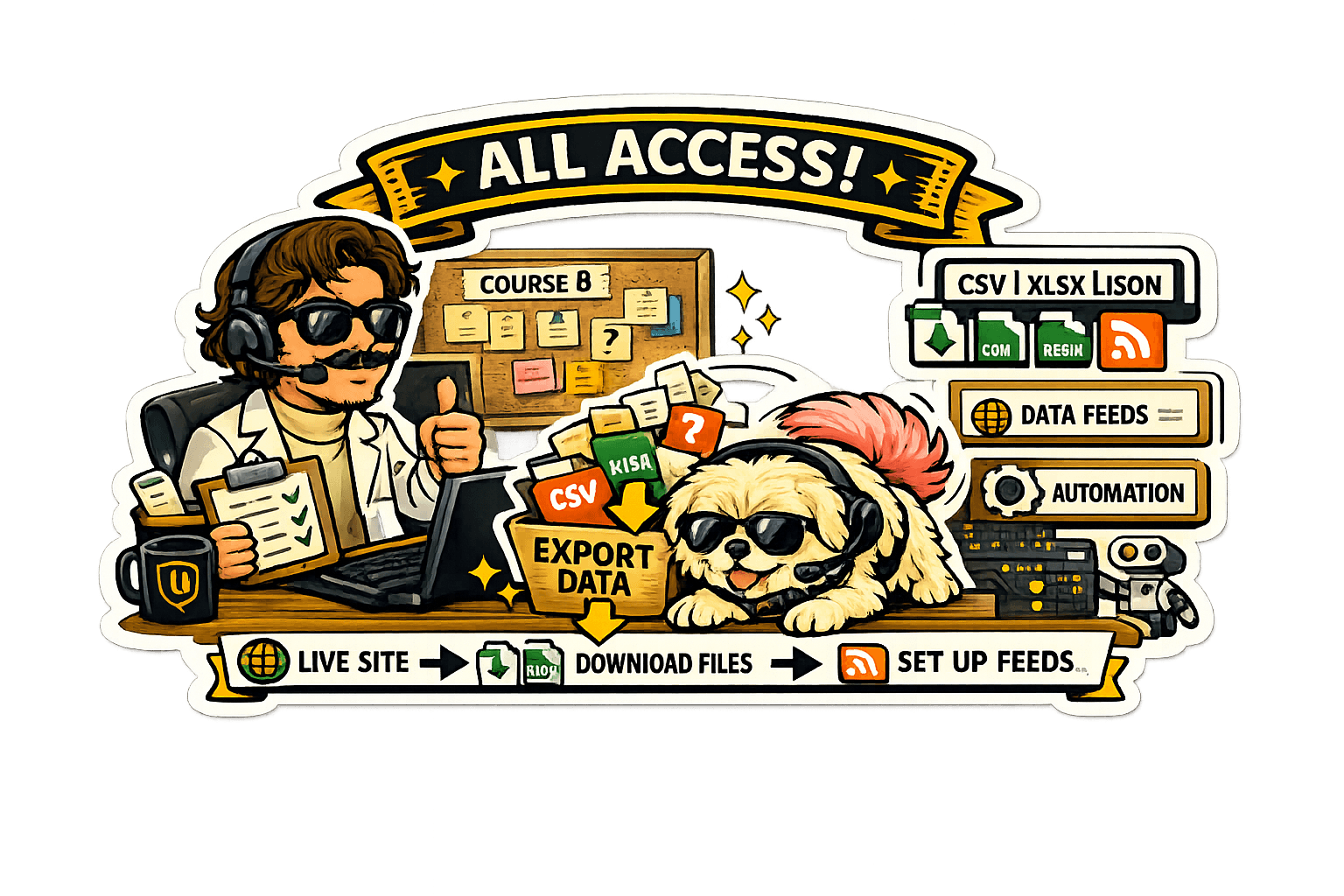
The same data is available as pages, exports, and feeds.
Browse and filter the live register on the site, or take the data with you: every filtered view can be exported, and there are machine-readable feeds for automation.